
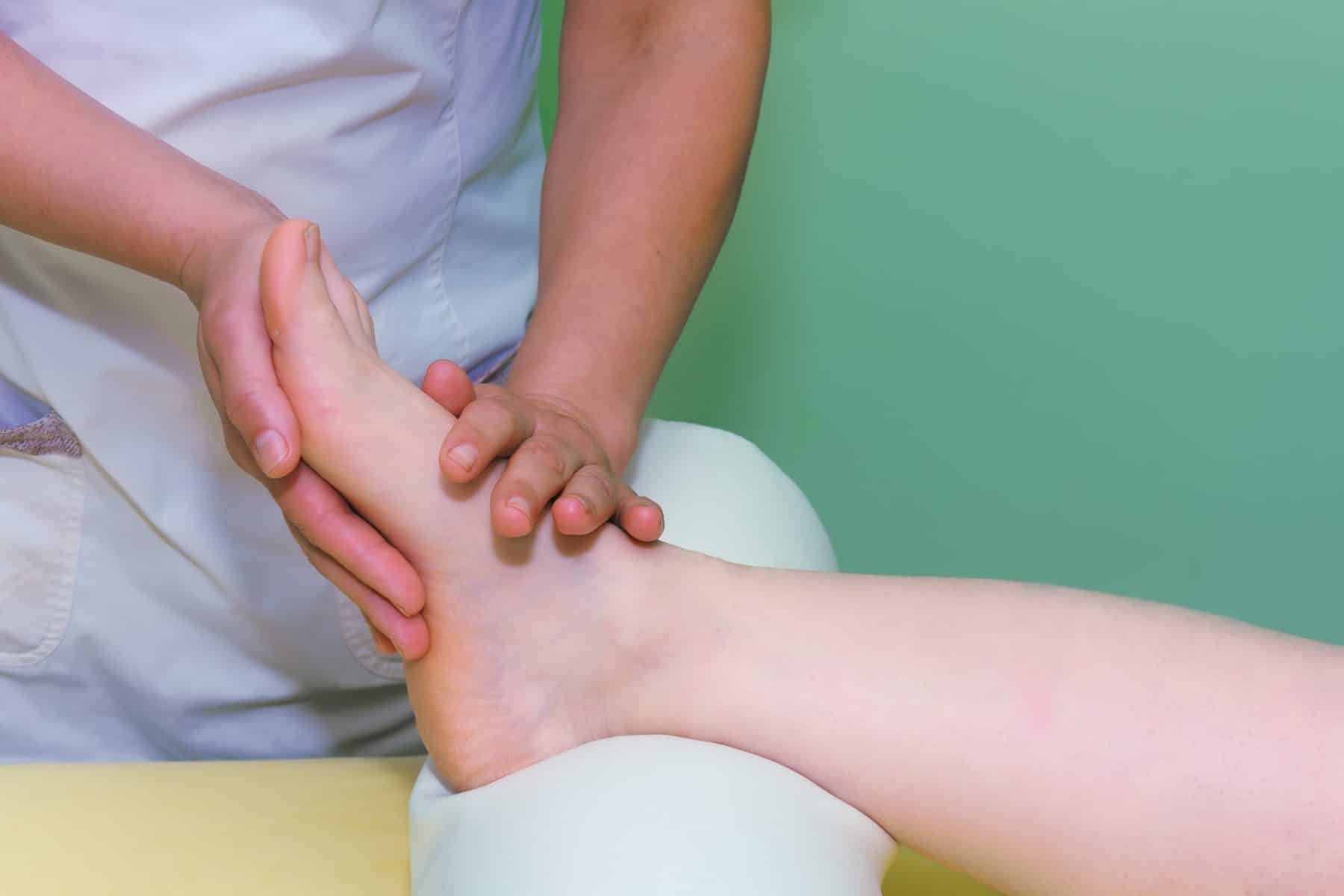
Lymphoedema is a long-term condition in which fluid builds up in the tissues, usually in an arm or leg, because the lymphatic system is not draining as it should. It affects an estimated several hundred thousand people in the UK, yet it remains under-recognised, and many people live with swelling for months or years before it is properly diagnosed.
That delay matters. Lymphoedema responds best to treatment started early, before the tissues begin to change. This article explains what to look out for, who is at risk, and what specialist assessment involves.
What the lymphatic system does
The lymphatic system is a network of vessels and nodes that runs alongside the blood vessels. It collects excess fluid, proteins and waste from the tissues and returns them to the bloodstream, and it plays a central role in the immune system. When lymph vessels or nodes are damaged, missing or overwhelmed, fluid accumulates in the area they should be draining.
Primary and secondary lymphoedema
Primary lymphoedema is caused by a developmental difference in the lymphatic system itself. It can appear at birth, in adolescence or in adult life, and there is often a family history.
Secondary lymphoedema is far more common and is caused by damage to the lymphatic system. The most frequent cause in the UK is cancer treatment, particularly surgery that removes lymph nodes or radiotherapy to the armpit, groin or pelvis. Other causes include infection, trauma, severe venous disease and obesity.
If you have had treatment for breast, gynaecological, prostate or skin cancer, or melanoma, you have a lifelong risk of developing lymphoedema in the related limb. That risk does not disappear after five years; it is worth being aware of indefinitely.
Early signs to watch for
Lymphoedema often begins subtly. Early signs include:
- A feeling of heaviness, tightness or fullness in a limb
- Rings, watches, sleeves or shoes feeling tighter on one side
- Swelling that is worse at the end of the day and better in the morning
- Skin that pits when pressed with a finger
- Aching or reduced flexibility in the limb
- Recurrent skin infections (cellulitis) in the affected area
At this stage the swelling is usually soft and may come and go. This is the ideal time to seek assessment. Left untreated, the tissues gradually become firmer and thicker, the swelling becomes persistent, and the skin can change in texture. Treatment is still possible at that point, but it takes longer and the results are less complete.
What specialist assessment involves
At Healthium Clinics, lymphoedema care is led by Mary Woods MBE, one of the most experienced lymphoedema specialists in the country, formerly Head of Lymphoedema Services at the Royal Marsden. An initial consultation is a comprehensive assessment rather than a brief review. It includes:
- A detailed history, including any cancer treatment, surgery, infections or family history
- A physical examination and limb measurements to establish a baseline
- Where appropriate, advanced diagnostics such as bioimpedance spectroscopy, which can detect fluid changes before visible swelling, or referral for specialist lymphatic imaging
The outcome is a personalised care plan, written for you and explained in full.
How lymphoedema is treated
There is no single cure, but the condition can be managed very effectively. The core components of treatment, in line with British Lymphology Society standards, are:
Compression, using specialist garments or bandaging to support the tissues and encourage fluid movement. Fitting these correctly is a skill in itself, and poorly fitted garments are a common reason people give up on them.
Manual lymphatic drainage (MLD), a gentle, specialised massage technique that redirects fluid towards working lymph pathways.
BOA compression therapy, a medical-grade sequential compression system that can reduce swelling and improve comfort.
Skin care, to keep the skin intact and reduce the risk of cellulitis.
Movement and exercise, tailored to your limb and your abilities.
Follow-up is ongoing, typically every four to six weeks initially, so that the plan adapts as your swelling improves.
When to seek advice
If you have noticed persistent or recurring swelling in an arm or leg, particularly if you have had cancer treatment in the past, do not wait for it to become established. An early assessment can confirm whether lymphoedema is developing and put a plan in place before it progresses.
Healthium Clinics offers specialist lymphoedema assessment and treatment at Badgemore Park, Henley-on-Thames. An initial consultation with full assessment is £250, with treatment programmes quoted individually. Call 01628 876439 or book online.
Recent Comments