
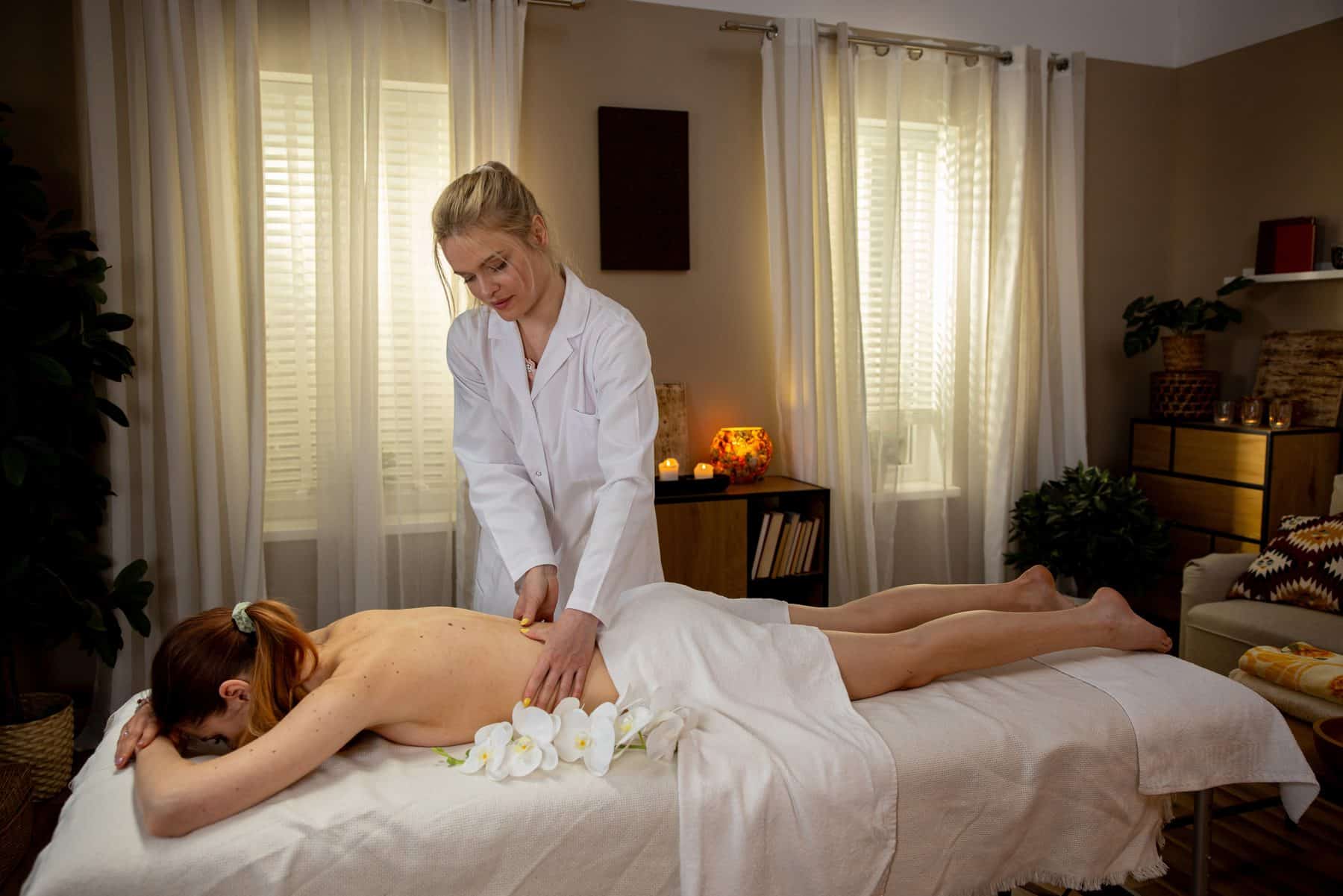
Massage tends to be filed under treats. Something for a birthday, a spa day, or the end of a hard month. That framing undersells it. Used regularly, massage therapy is one of the most effective and accessible ways to manage muscular tension, support recovery and take the edge off stress, and it sits comfortably alongside the medical services we offer at Healthium Clinics.
What massage does to the body
At its simplest, massage applies pressure and movement to soft tissue: muscles, tendons, ligaments and fascia. The effects are both mechanical and neurological.
Mechanically, massage increases local blood flow, helps release areas of tightness and adhesion within muscle, and improves range of movement in stiff joints. Neurologically, it stimulates the parasympathetic nervous system, the branch responsible for rest and recovery, which is why heart rate and breathing slow during a good treatment and why many people sleep unusually well afterwards.
Who benefits most
Almost everyone benefits from massage, but some groups notice it more than others:
Desk workers. Hours at a screen shorten the chest muscles, overload the neck and upper back, and produce the familiar pattern of tension headaches and tight shoulders. Regular massage helps counteract that pattern and makes it easier to maintain good posture.
People who exercise. Whether you run, cycle, row on the Thames or lift weights, massage aids recovery between sessions, reduces the intensity of delayed-onset muscle soreness, and helps identify tight areas before they become injuries.
Those under stress. Chronic stress is held physically as much as mentally. Massage reduces cortisol and muscular guarding, and the hour itself is a rare period of enforced stillness.
People with poor sleep. The relaxation response triggered by massage carries into the evening, and many patients report deeper, more restful sleep on treatment days.
Older adults. Massage can ease stiffness, improve circulation and support mobility, particularly where joints are affected by wear and tear.
Types of massage available at Healthium
Our therapists tailor each session rather than working from a fixed menu, but treatments generally draw on the following approaches:
- Swedish massage: flowing, moderate-pressure techniques for general relaxation and circulation
- Deep tissue massage: slower, firmer work targeting chronic tension in specific muscle groups
- Sports massage: focused on the muscles used in your particular activity, often combined with stretching
- Lymphatic-focused techniques: gentle, rhythmical work to encourage fluid movement, which our lymphoedema specialists can advise on where there is a medical need
If you are unsure which is right for you, tell your therapist what you are hoping to achieve and let them recommend an approach.
Massage in a medical setting
Having massage therapy within a CQC-registered clinic has practical advantages. Our therapists work alongside doctors and specialist clinicians, which means that if a persistent pain or swelling turns out to need medical attention rather than massage, it can be looked at quickly by the right person. Equally, patients recovering from vein treatment, managing lymphoedema or undergoing weight management can have their massage care coordinated with their broader plan.
How often should you have a massage?
For general wellbeing, once every three to four weeks maintains the benefits. For a specific issue such as a tight shoulder or recovery from a training block, weekly or fortnightly sessions for a short period tend to be more effective, before spacing them out. Your therapist will suggest a schedule based on what they find.
Getting the most from your session
A few simple things make a difference:
- Arrive a few minutes early so that you are not rushing in
- Tell your therapist about any injuries, medical conditions or areas to avoid
- Speak up about pressure; the right level is firm enough to work the tissue but never painful
- Drink water afterwards and, where possible, avoid a heavy workload for the rest of the day
When massage is not the answer
Massage is safe for most people, but there are situations where it should wait or be adapted. Acute injuries, fever or infection, unexplained swelling, and certain medical conditions such as deep vein thrombosis mean you should seek medical advice first. If you are pregnant, tell your therapist so that positioning and techniques can be adjusted. One of the reassurances of a clinic setting is that if we are unsure, a doctor is on hand to advise.
Book a massage in Henley-on-Thames
Massage therapy at Healthium Clinics is available at Badgemore Park, Henley-on-Thames, in a calm, private setting. Sessions can be booked online or by calling 01628 876439. If you would like to combine massage with another treatment on the same visit, let our patient coordinator know when you book.
Recent Comments