
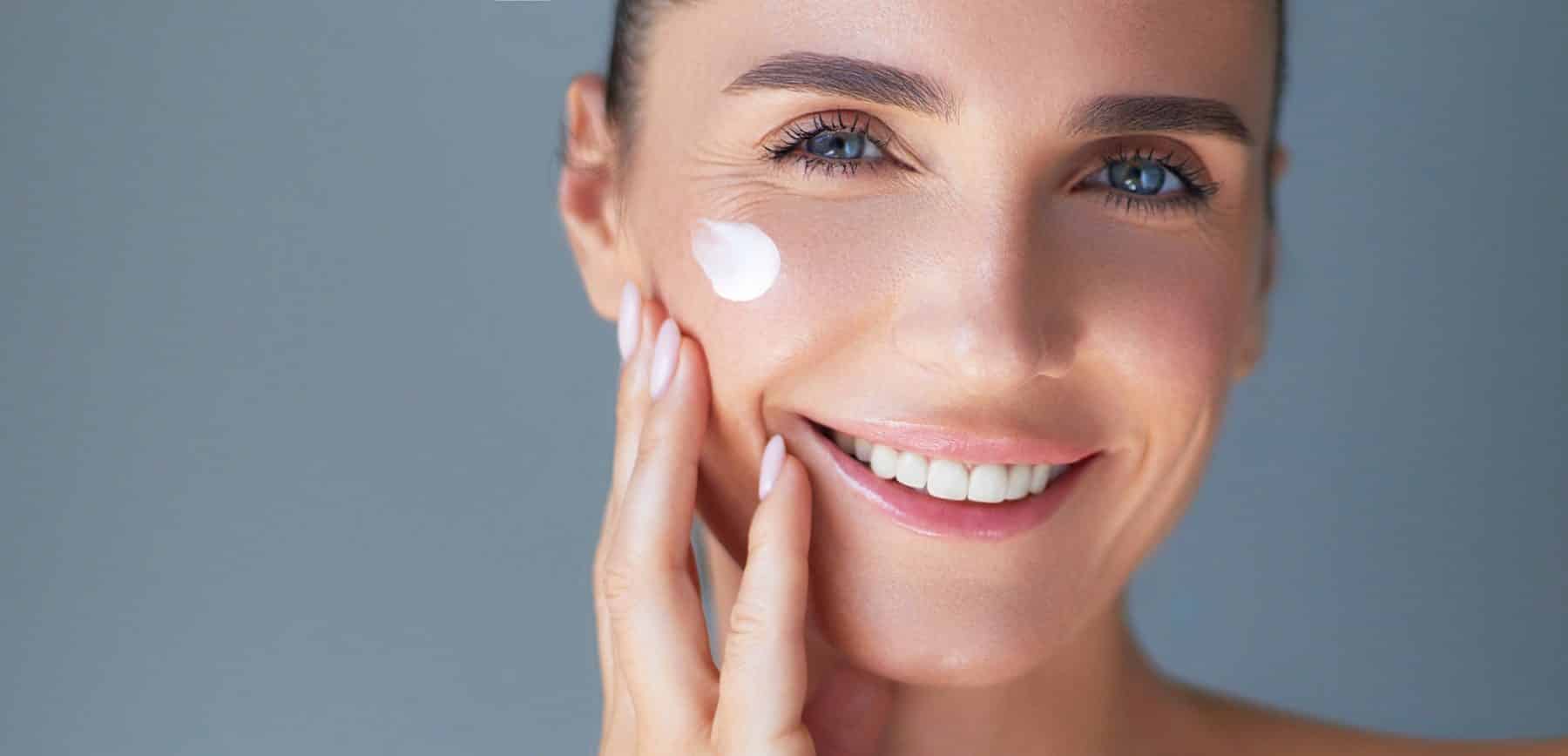
Every few years a treatment arrives that changes the conversation in aesthetics. Polynucleotides are the current example. Unlike fillers, which add volume, or anti-wrinkle injections, which relax muscle, polynucleotides work on the quality of the skin itself: its hydration, elasticity, thickness and resilience. They have become one of the most requested treatments at Healthium Clinics, particularly for the under-eye area, and patients often arrive having heard about them but unsure exactly what they do.
What are polynucleotides?
Polynucleotides are purified chains of DNA fragments, typically derived from salmon or trout, chosen because their structure is highly compatible with human tissue. Once injected into the skin they act as a signal to the body’s own repair processes. Specifically, they stimulate fibroblasts, the cells responsible for producing collagen, elastin and hyaluronic acid, and they have an anti-inflammatory and antioxidant effect on the surrounding tissue.
The result is skin that gradually becomes firmer, smoother, better hydrated and more even in tone. Crucially, nothing is added that changes the shape of your face. This is regeneration rather than augmentation.
What concerns do they help with?
Polynucleotides are most often used for:
- Dark circles, fine lines and crepey skin under the eyes
- Loss of firmness and elasticity in the face, neck and décolletage
- Dull, tired or dehydrated skin
- Fine lines and early signs of ageing
- Acne scarring and uneven texture
- Skin that has been damaged by sun exposure
- Preparing the skin before, or supporting it after, other treatments such as microneedling or NeoGen
The under-eye area deserves particular mention. It is a difficult area to treat well with filler, and many patients have been told that nothing can be done. Polynucleotides offer a gentle option that improves the skin’s quality rather than filling the hollow, which often produces a more natural result.
How treatment works
Treatment begins with a consultation and skin assessment. Your practitioner will discuss your concerns, check that polynucleotides are suitable for you, and plan the areas to be treated.
The treatment itself involves a series of small injections placed just beneath the surface of the skin. A numbing cream can be applied beforehand, and most patients find the treatment very tolerable. A session takes around 30 minutes. Afterwards you may see small bumps at the injection points, which settle within a few hours, and occasionally mild bruising, which fades within a few days.
Because polynucleotides work by stimulating your own repair process, results develop gradually. A course of two to three sessions, spaced two to four weeks apart, is the standard protocol, with improvements continuing to build for several weeks after the final session. Maintenance treatments every six to twelve months help sustain the effect.
Who are they suitable for?
Polynucleotides are suitable for all skin types and tones, including sensitive skin, and for a wide range of ages. They are popular with patients in their thirties and forties who want to improve skin quality without visible intervention, and equally with older patients as part of a broader regenerative plan.
They are not suitable during pregnancy or breastfeeding, for anyone with a fish allergy, or in the presence of active skin infection at the treatment site. Your practitioner will check for these and any other contraindications at your consultation.
How they compare with other injectables
Patients often ask whether polynucleotides replace other treatments. In most cases they complement rather than replace. Anti-wrinkle injections remain the most effective option for lines caused by muscle movement. Dermal fillers remain the right choice where volume has been lost. Polynucleotides sit alongside these, improving the canvas on which the other treatments work, and for some patients they are enough on their own.
Common questions
When will I see results? Some patients notice improved hydration within a week or two, but the structural changes take longer. Expect the main improvement to be visible four to six weeks after your second session, and to keep developing after that.
Is there downtime? Very little. You can return to work immediately. We suggest avoiding makeup for a few hours, and heavy exercise, saunas and alcohol for 24 hours.
Can I have polynucleotides with other treatments? Yes. They combine well with microneedling, skin boosters, NeoGen and anti-wrinkle injections. Your practitioner will plan the sequence and spacing.
Pricing at Healthium
Polynucleotide treatment at Healthium Clinics is £299 for a single treatment, £549 for a course of two, and £799 for a course of three. Full details are on our polynucleotides page.
Book a consultation
Treatment is carried out by medically qualified practitioners in our CQC-registered clinic at Badgemore Park, Henley-on-Thames. To book a skin consultation and find out whether polynucleotides are right for you, call 01628 876439 or book online.
Recent Comments