
Varicose veins are one of the most common conditions we see at Healthium Clinics, and one of the most misunderstood. Many people assume they are purely cosmetic, or that nothing can be done short of surgery in hospital. Neither is true. Modern vein treatment is minimally invasive, carried out under local anaesthetic, and usually completed in a single outpatient visit.
The harder question for most people is not whether treatment exists, but when to seek it. This guide explains what varicose veins are, the symptoms worth paying attention to, and what happens at a specialist consultation.
What causes varicose veins?
Veins in the legs contain small one-way valves that keep blood moving upwards towards the heart. When those valves weaken or fail, blood pools in the vein, which stretches and twists under the increased pressure. The result is the enlarged, often rope-like veins that sit just beneath the surface of the skin.
Several factors make valve failure more likely: a family history of varicose veins, long periods of standing or sitting, pregnancy, carrying extra weight, and simply getting older. Women are affected slightly more often than men, though the condition is common in both.
Symptoms that deserve attention
Not every varicose vein needs treating, but the following symptoms suggest it is worth having your legs assessed:
- Aching, heaviness or throbbing in the legs, particularly towards the end of the day
- Swelling around the ankles that settles overnight
- Itching, burning or restlessness over the affected vein
- Skin changes such as darkening, dryness or eczema around the lower leg
- Cramping at night
- Any ulcer or wound on the lower leg that is slow to heal
The last two points matter most. Skin changes and ulceration indicate that the vein problem has been present for some time and is starting to affect the surrounding tissue. Treatment at this stage is still very effective, but earlier assessment tends to mean simpler treatment and a faster recovery.
Why waiting is rarely the best option
Varicose veins do not improve on their own. Compression stockings and elevating the legs can ease symptoms, and they are a sensible first step, but they manage the problem rather than resolve it. Over time, untreated veins can lead to persistent swelling, thrombophlebitis (a painful inflamed vein), and in some cases venous leg ulcers, which are far harder to treat than the vein itself.
There is also a quality-of-life argument. Many of our patients tell us they had been avoiding shorts, holidays or exercise for years because of their legs. Once treated, that is often the change they notice first.
What happens at a specialist consultation
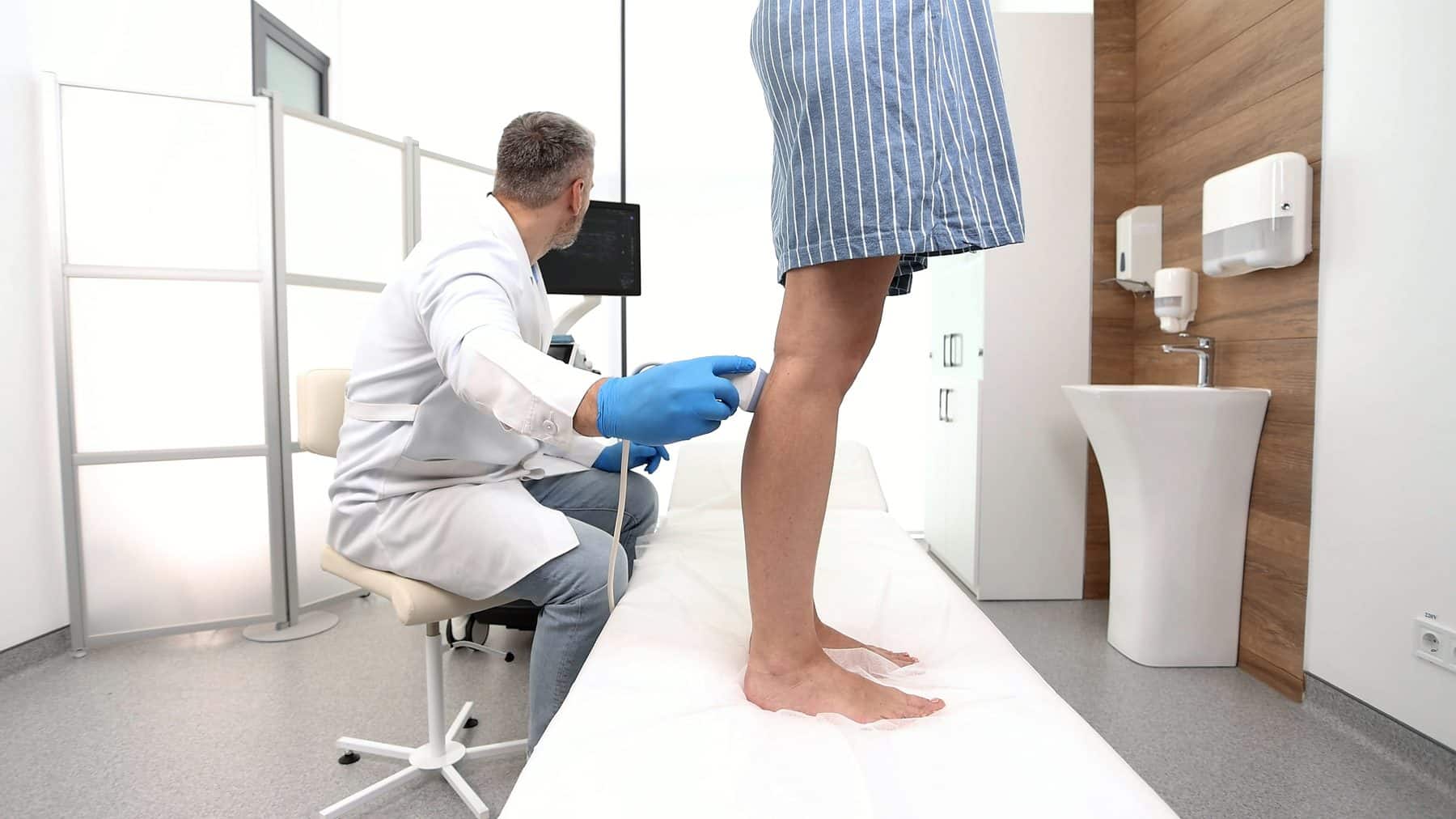
At Healthium Clinics, vein care is led by Mr Patrick Lintott, a consultant vascular surgeon with more than twenty years of specialist experience. Your first appointment is a full assessment rather than a quick look. It includes:
- A detailed discussion of your symptoms and medical history
- An examination of both legs
- A duplex ultrasound scan, which maps the veins and shows exactly where the faulty valves are
The scan is the key step. Two people can have similar-looking veins with very different underlying causes, and the right treatment depends on what the ultrasound shows. Only once we have that picture do we recommend a plan.
Treatment options explained
Depending on your scan, treatment may involve one or more of the following:
Endovenous ablation uses radiofrequency energy delivered through a fine catheter to seal the faulty vein from the inside. It is performed under local anaesthetic, takes around an hour, and most patients walk out of the clinic and return to normal activity within a day or two.
Foam sclerotherapy involves injecting a medical foam into smaller varicose veins, causing them to close and gradually fade. It is often used alongside ablation or for veins that are not suitable for catheter treatment.
Microsclerotherapy targets thread veins and spider veins, using very fine injections for a cosmetic improvement.
Treated veins do not come back, although new veins can develop over time. Your specialist will explain what to expect for your particular situation.
Preparing for the summer months
Spring is a popular time to seek vein treatment, partly because people want their legs ready for warmer weather, and partly because compression stockings, which are worn briefly after treatment, are more comfortable before the summer heat arrives. If you have been putting off an assessment, this is a sensible moment to book one.
Booking a vein assessment in Henley-on-Thames
Healthium Clinics is a CQC-registered clinic at Badgemore Park, Henley-on-Thames, serving patients from across Oxfordshire, Berkshire, Buckinghamshire and West London. You do not need a GP referral to book a consultation. Call 01628 876439 or book online to arrange your vein assessment and duplex scan.
Recent Comments